Cenotes near Tulum: Gran Cenote, Dos Ojos or Calavera?
4 min read
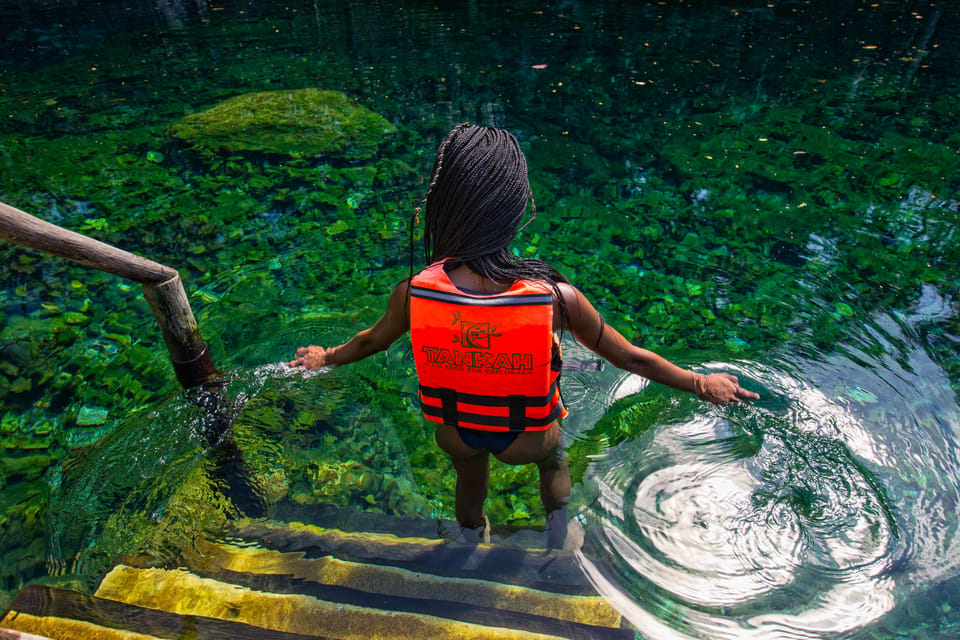
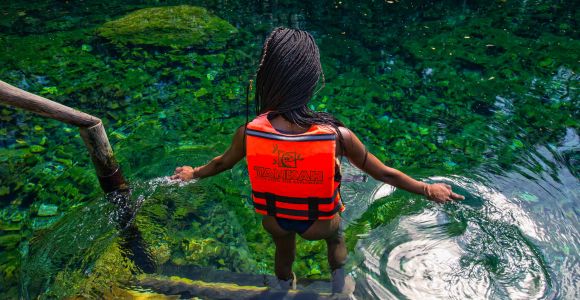
Gran Cenote is the easiest of the famous three to picture before you go, Dos Ojos is the cavern choice, and Calavera is the compact open-hole experience. None is automatically best: the decision is about atmosphere, confidence in the water and how much of the day you want to organise yourself.
The Municipality of Tulum’s risk atlas places Gran Cenote about 3.5 kilometres from town on the road towards Cobá. It describes a circular cenote with abundant natural light, stalactites and stalagmites, and a maximum depth of 10 metres. That combination makes it the clearest choice when you want visible limestone scenery without committing to a full cave programme.
The same official atlas describes Calavera as semi-open and explains that three openings in its roof resemble a skull. It suits a short, visually distinctive stop. Dos Ojos is the name to choose when the cave system itself matters most; before paying, confirm which section your ticket or tour accesses and whether the activity is swimming, snorkelling or diving.
Organised alternatives
| Experience | Duration | From | Best for |
|---|---|---|---|
| Cenote Trail bike tour | 4.5–5 hours | €106.64 | Two or three cenotes by bike from the centre of Tulum, without a car |
| Casa Tortuga five-cenote pass | 1.5-hour guided tour, then free time | €22.63 | Several swims in one park with showers and changing rooms |
The bike tour is the stronger experience for travellers who want the journey to be part of the day. It starts at the operator’s office on Avenida Tulum; hotel pickup is listed as not included. Bikes, helmets, a guide, snorkelling and all entrance fees are in the price. What you see depends on the option. “2 Cenotes & Brunch” swims at Cristal and snorkels at Escondido, then ends with brunch. “3 Cenotes, Zip Lines, Canoe & Jungle Lunch” combines a flooded cavern, an open sinkhole and an underground river, and adds three ziplines, a canoe and lunch. Both return to the starting point at 1:30pm. You cycle about 9 kilometres and should be comfortable on a bike; according to the booking page the tour is not for children under eight.
Casa Tortuga is simpler and sits on the Cancún–Tulum highway. The pass covers a 1.5-hour guided tour of five cenotes, three open and two semi-open, with a life jacket, and afterwards you may stay in the park until closing time. Showers, changing rooms and rest areas are included. Snorkel gear is rented on site, and transport is not part of the pass, so you arrange the journey yourself. The Silver and Golden passes add the Río Tortuga water trail plus a zipline, a meal or both.
Water shoes and biodegradable sunscreen are on Casa Tortuga’s packing list; food and drinks of your own are not allowed there. For most visitors without a car, the Cenote Trail bike tour for €106.64 is the clearest recommendation because it solves the route. Choose the three-cenote option if you want to see different cenote forms rather than one famous pool.